Gallery
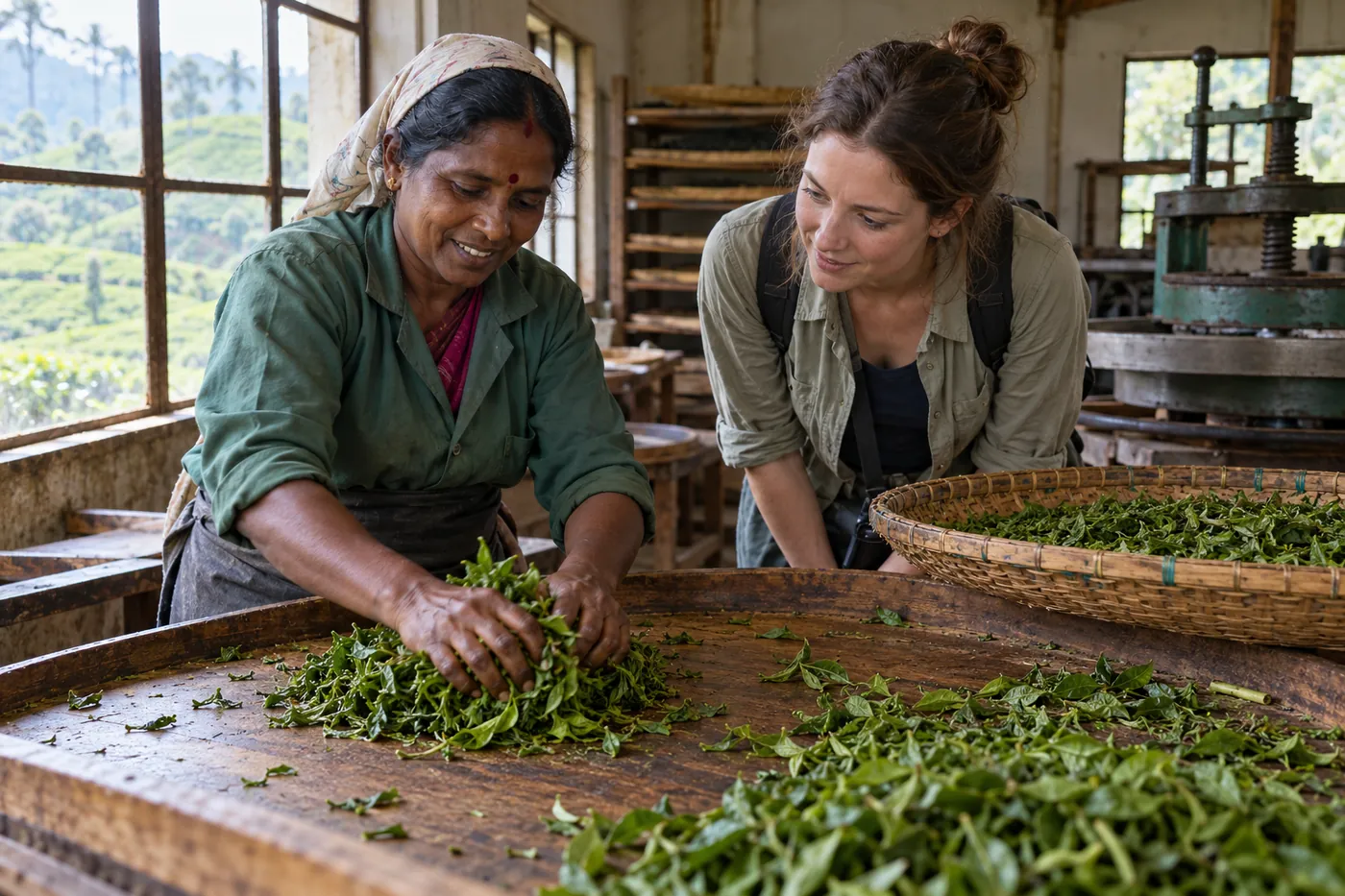
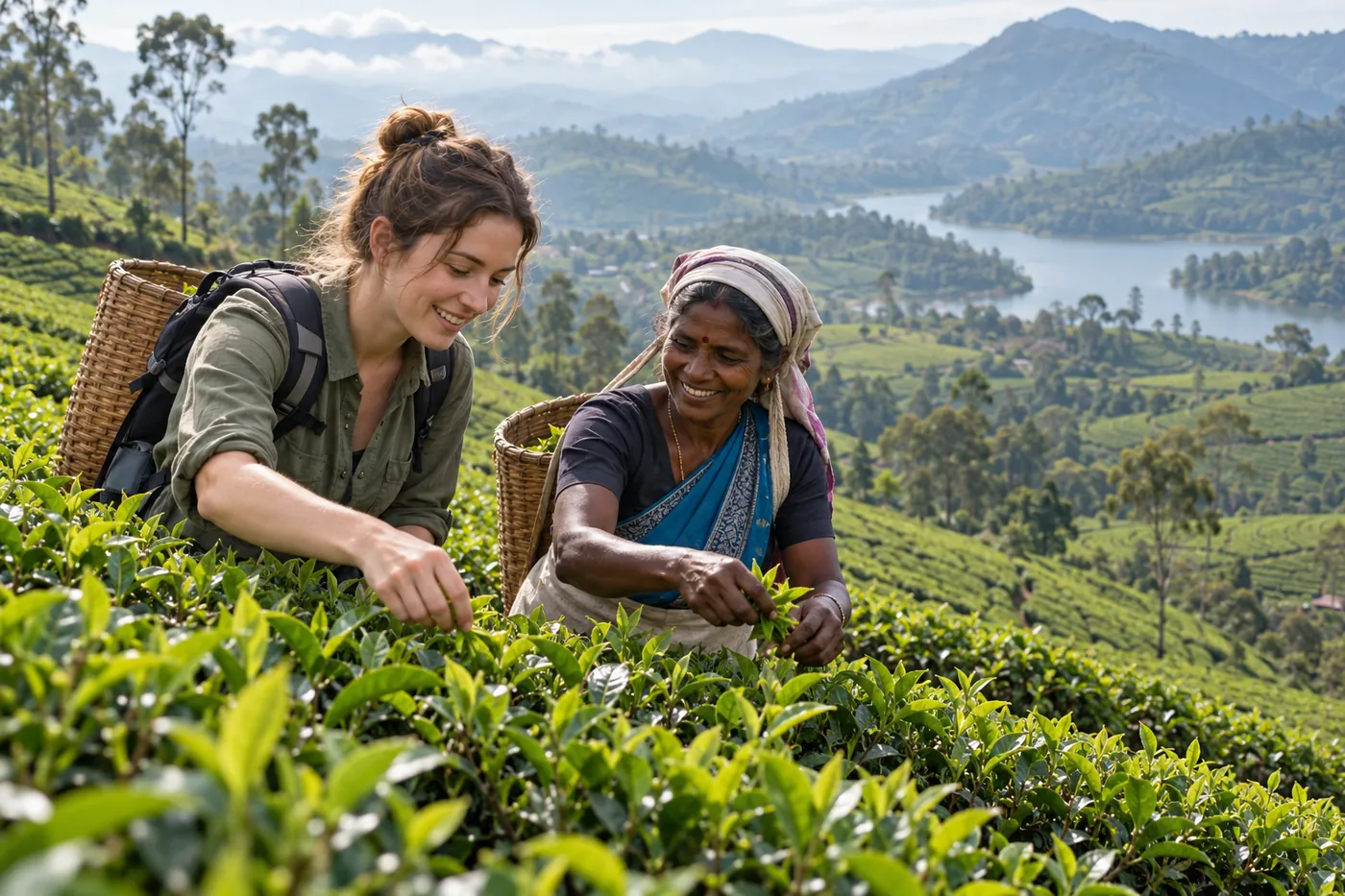
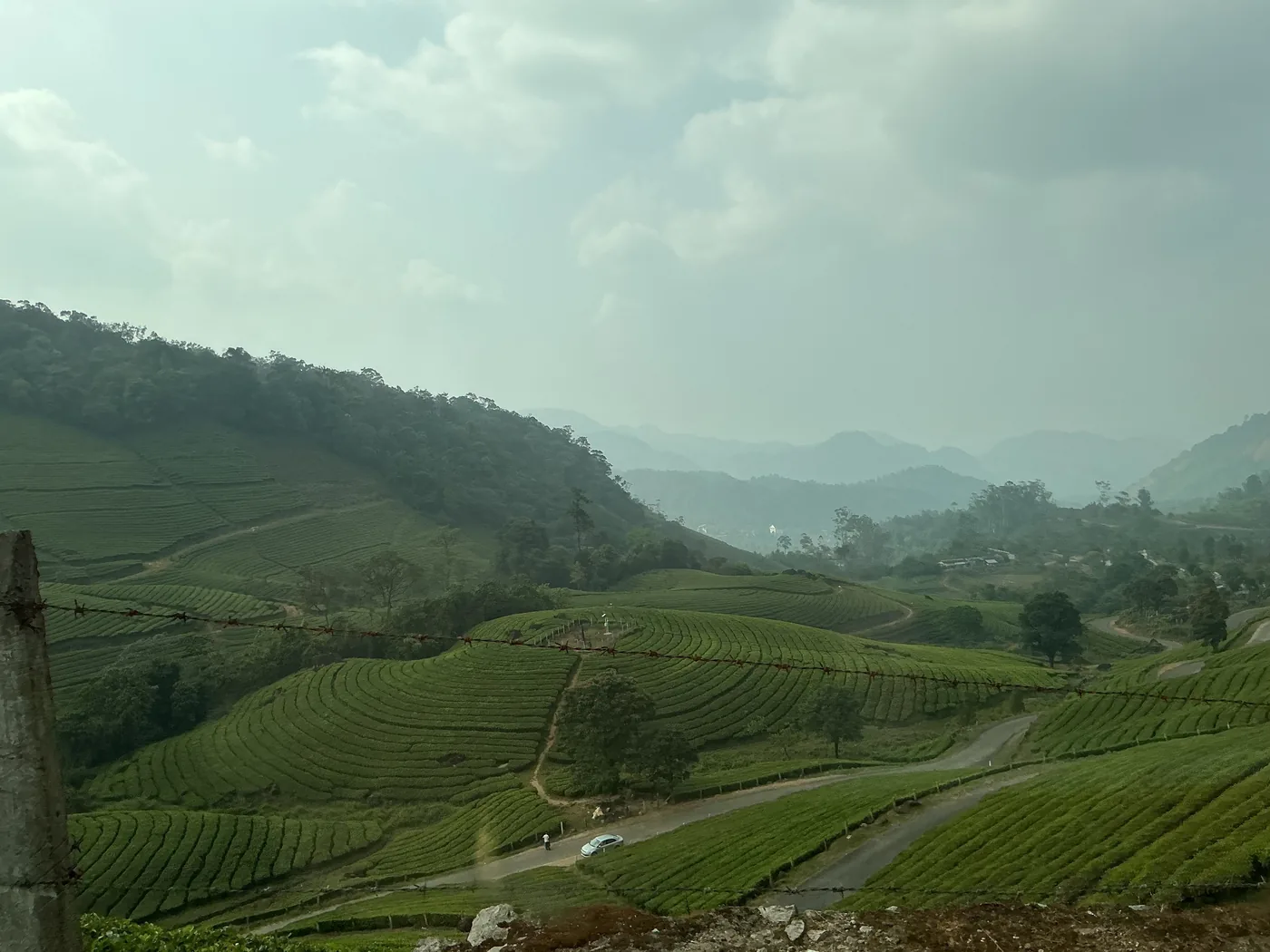
From leaf to cup, with your own hands in the process.
Try plucking tea the way estate workers do — two leaves and a bud, quick and precise — then follow that same leaf through the factory's withering, rolling, and drying process, the air thick with the smell of fresh-cut tea. Taste the difference between grades, and understand exactly how much skill sits behind your morning cup.
Every cup of tea has a journey, and in Munnar you can walk it end to end. It begins on the hillside, where pluckers move between the bushes taking "two leaves and a bud" — the young growth that gives the best flavour — and ends in a factory where the leaves are transformed, in a few hours, into something you'd recognise as tea. Munnar's tea story goes back to the late 1800s, when British planters set up the first estates in these hills.
Inside the factory, you'll follow the stages: withering, where the leaves lose moisture; rolling, which breaks down the cells; fermentation, which develops colour and flavour; drying; and sorting into grades. You'll also learn the difference between CTC tea, a mechanised process that makes strong, quick-brewing tea for everyday chai, and the slower orthodox method, which produces a wider range of more complex teas. Then you taste, and the difference between a fresh estate cup and a teabag suddenly makes sense.
Some factories limit photography or access to certain areas, and we'll tell you what to expect when we plan your visit. We time the day for good light and working hours, so you actually see the machines running. September to March offers the clearest hill views. And a small practical tip: bring a light jacket, because Munnar's mornings and evenings are cool.
Plucking season varies — ask us for the best window before booking.
This experience can be added to a fully personalised itinerary — shaped around your dates, your pace and your interests, never a fixed package. Our signature multi-day journeys go further still: accommodation, meals, transfers and a private guide included throughout, so the only thing left to plan is what you want to feel.
What did you learn about the leaves themselves before you even got to the factory?
That pluckers only take "two leaves and a bud," the very top of each stem, and I'd been drinking tea my whole life without ever picturing what part of the plant was actually in the cup. Watching a picker's hands move that fast between the bushes was its own small show.
What surprised you inside the factory?
How physical the whole process is, leaves going through withering, then this huge rolling machine, then coming out the other side dark and curled and finally smelling like tea. There's a moment on the floor where the whole room suddenly smells like a teapot, and I actually stopped talking for a second.
Did you understand the difference between the tea styles by the end?
Properly, for the first time. Our guide explained CTC is the fast, mechanised process behind most everyday chai, while orthodox is slower and makes the more complex leaf teas. Tasting them side by side made the difference obvious in a way no explanation alone would have.
How did the tasting change how you'll drink tea at home?
I've genuinely started looking at where my tea comes from since I got back. Fresh estate tea next to a supermarket teabag isn't a subtle difference, it's almost a different drink, and I hadn't expected one factory visit to change a habit I've had my entire life.
Part of these journeys: 7-Day Kerala Itinerary · Kerala Honeymoon · Family Journeys
Every Raw India Experience begins with a conversation. Tell us what you're looking for — we'll design the rest. No payment is taken here.
A confirmation is on its way to your inbox, and a member of our team will personally reply within 24 hours.
Your data will be secured with us. We will not use it for any promotional activities, and we will delete the data after 100 days of non-communication.